Connecting Quoting Tools to CRM Pipelines for Contractors
Automating quote-to-pipeline workflows eliminates manual admin work contractors spend hours on.
What a disconnected quoting and CRM stack looks like in practice
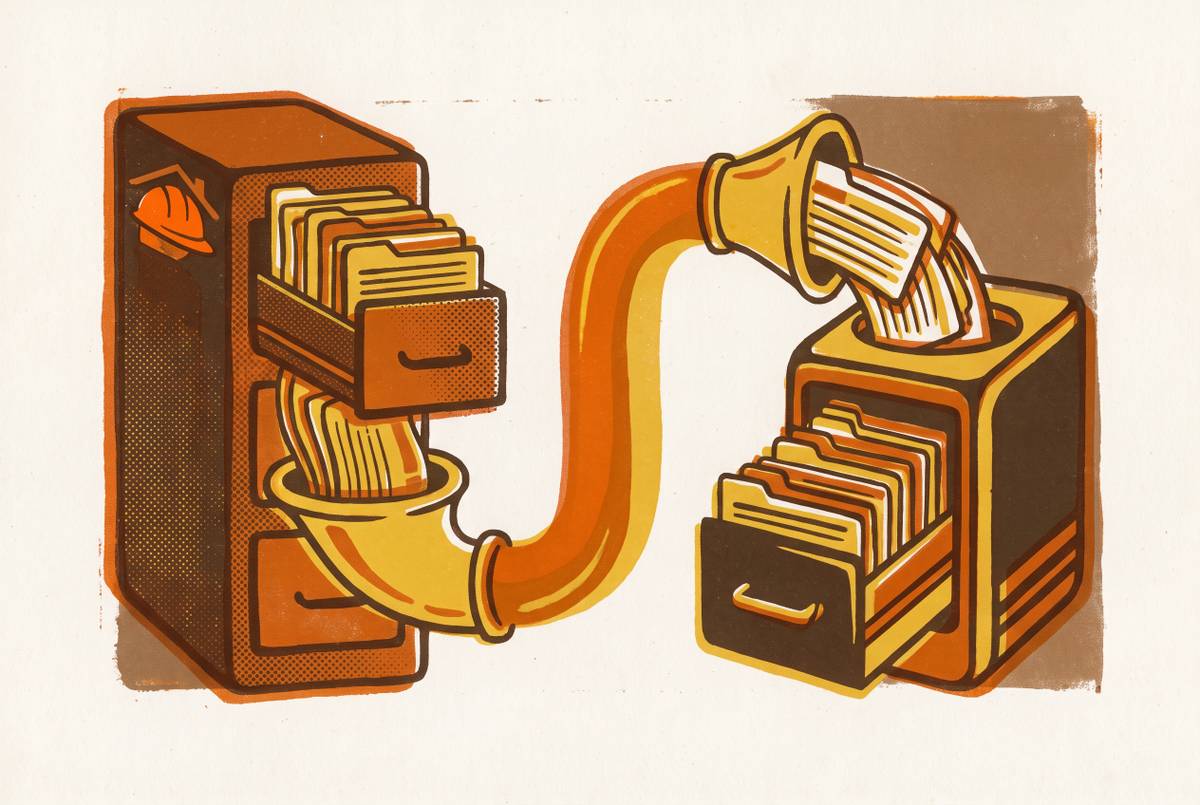
Most contractors run this setup without ever choosing it: the estimate gets built in one tool, maybe a spreadsheet. The customer record sits in a second tool. Follow-up gets tracked in a third place, or not tracked. Nobody designed this on purpose. It's what happens when a business picks up software one problem at a time, over years, with no plan behind any of it.
A quote with no pipeline stage attached, no reminder that fires on its own, and no way to tell if the homeowner even opened the email is a PDF sitting in a folder. Someone has to remember to check on it. Someone has to retype the customer's info from the quoting app into the CRM by hand, then follow up later on memory alone, because no system is doing that job for them.
That admin load lands hardest on the smallest shops, and most shops in this trade are small. Plenty of them run on an owner who is also the estimator, the salesperson, and the person answering the phone at 7am. Every hour spent retyping an address into a second system is an hour not spent bidding the next job or running the crew already on-site.
Compare that to a shop where quoting lives inside the CRM. Sending the quote triggers a follow-up sequence on its own. Open and view tracking tells the rep the moment a prospect actually engages with the document, instead of leaving that rep to guess and call three days too late. The deal moves to the next pipeline stage without anyone touching a dropdown menu.
None of this needs exotic technology. The tools for real integration already exist and are already in wide use across the trades. What's missing, in most shops, is the wiring between tools that got bought separately, at separate times, for separate reasons.
How quote-to-CRM integration works mechanically
The marketing language aside, the mechanics are simple enough to describe in a few steps.
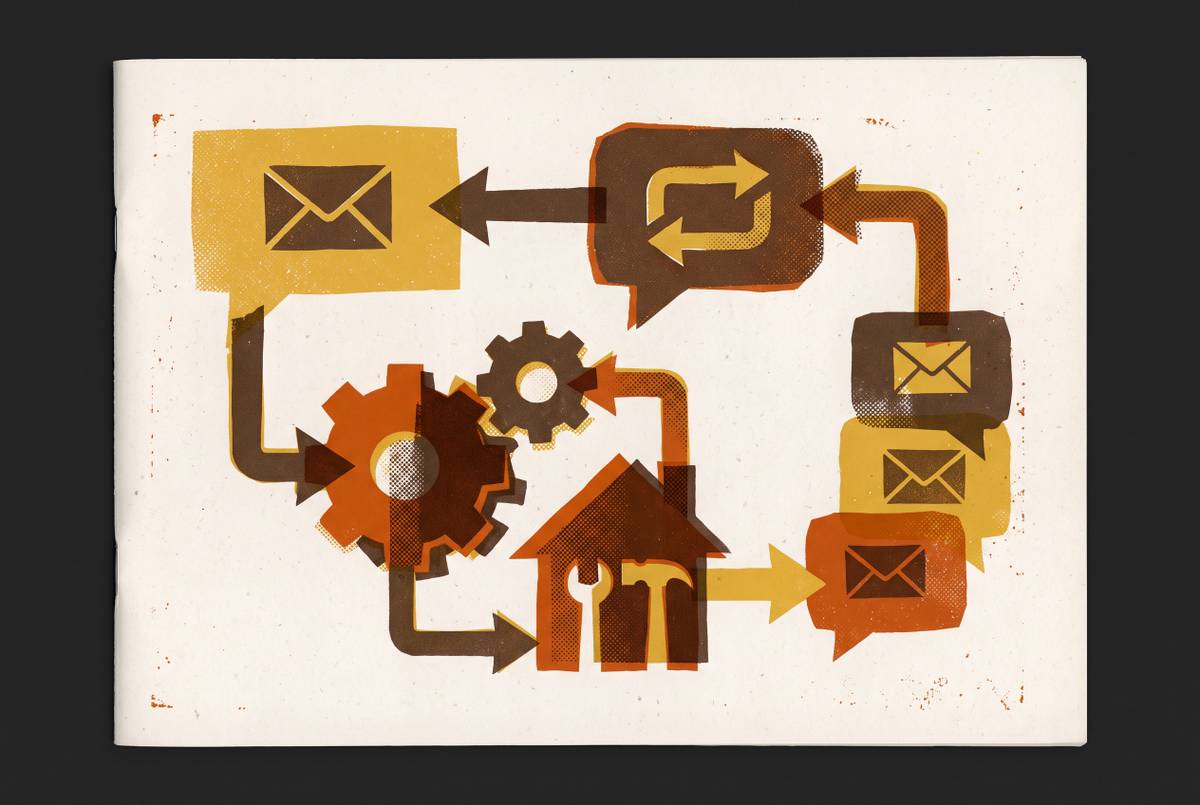
The quoting tool pulls the customer's record straight from the CRM: name, address, job history, whatever pricing got quoted last time. No retyping. Sending the quote itself moves the deal from "estimating" to "proposal out" in the pipeline, automatically, without a rep logging in to flip a status field.
From there, the CRM tracks engagement in real time. The rep sees when the prospect opened the quote, giving a clearer signal than a calendar reminder set days out on a guess. That's the real signal for when to follow up, a sharper one than a calendar reminder set three days out on a guess.
Automated sequences fire on schedule once the quote goes out, and the rep only steps back in when a reply lands or a decision point hits. E-signature and payment collection built into the same document close the loop entirely: an approved quote turns into a signed contract without anyone switching tools mid-transaction. For jobs that need a manager's sign-off on pricing or a discount, automated routing keeps that approval moving through the right inbox instead of stalling unread.
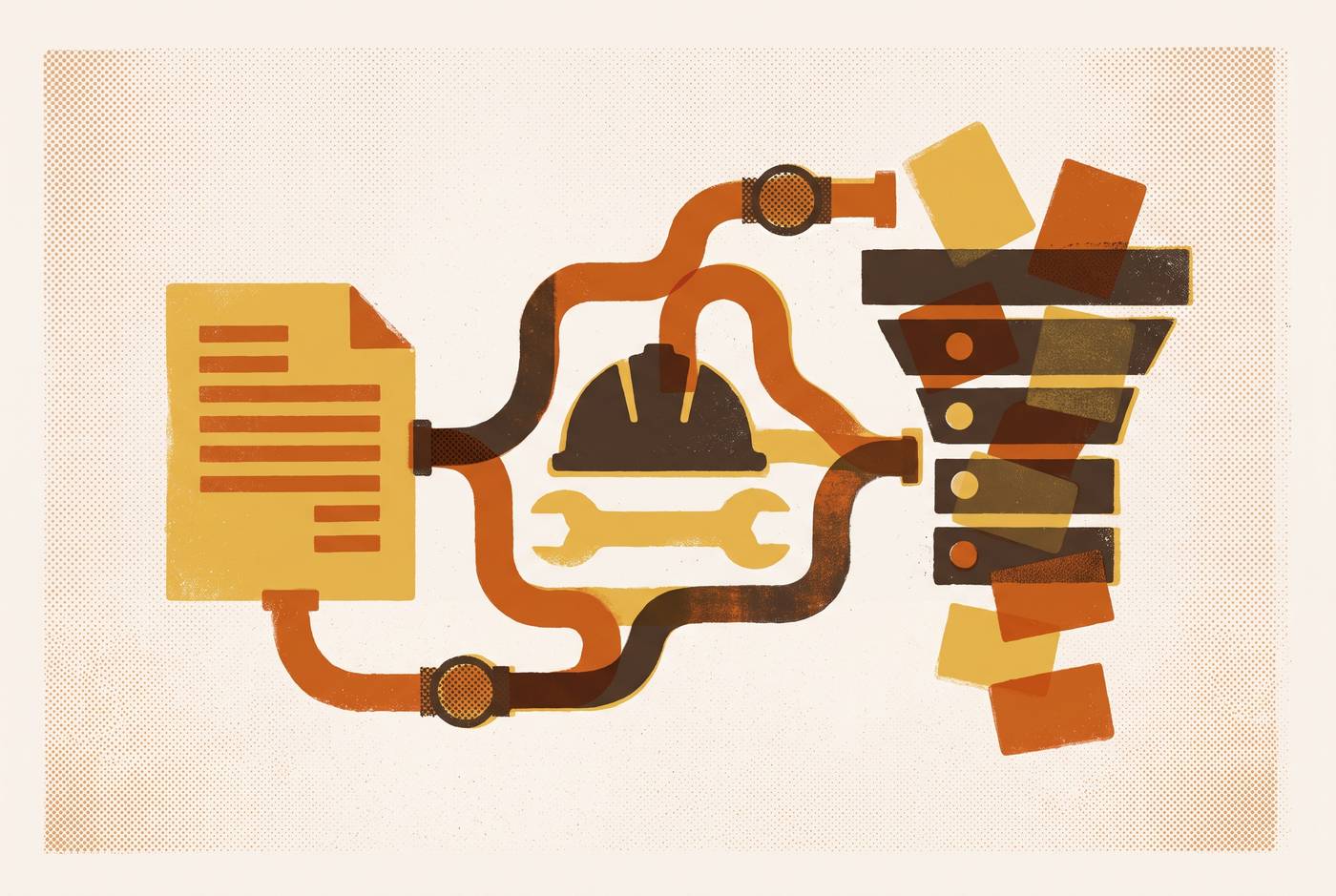
The last mile matters just as much. Once a quote gets signed, the line items should flow straight into the invoice, no re-entry, no second manual handoff where a typo turns into a billing dispute later. The connection between quoting and job costing has become the norm at the more productive shops, and any platform that skips it is asking someone to do that math twice.
Together, these changes give every quote a known status, a next action, and a timestamp. That turns the pipeline into a record instead of a guess.
The contractor-specific features that separate a real integration from a basic sync
Plenty of quoting software connects to a CRM in some fashion. Connecting isn't the same as being built for how contractors actually work, and the gap between the two appears quickly once the field-specific features are examined.
AI-assisted estimating is one place to look. QuoteIQ's AI Estimator builds a quote from a job description instead of forcing someone to construct it line by line, which cuts both the time spent and the error rate that comes with manual entry. Pair that with satellite measurement: MapMeasure Pro pulls property dimensions from satellite imagery, so the scope of a job gets set before a truck ever rolls to the site.
Self-serve pricing changes the front end of the funnel. InstaQuote, also from QuoteIQ, lets a homeowner fill out an embeddable form and get an instant price without a phone call, and that inquiry lands straight in the CRM with a follow-up sequence already running behind it. Once a quote's approved, InstaSchedule lets the customer book directly off a live availability calendar, no phone tag required.
Speed compounds across the stack. Jobber Copilot drafts quotes and suggests pricing based on the job details entered, saving somewhere around 10 to 15 minutes per quote according to published comparisons. Running 20 quotes a week recovers real time, not a rounding error. Crewy, an AI lead automation tool, reads job photos, descriptions, location, and materials to generate a quote and book an appointment, often responding in under 20 seconds.
Multi-option quoting, the classic good/better/best format, does real work at the point of sale, not after it. The upsell happens while the customer is still deciding, not on an awkward call three days later, which is the entire reason Jobber and Housecall Pro both built the feature directly into the quoting flow instead of leaving it as a manual add-on a rep has to remember to offer.
The real test comes down to direction of data flow. Does the quoting tool only push completed quotes back to the CRM, or does it pull from the CRM's customer and job history first? One-way sync creates duplicate records and pricing that drifts from what was actually charged last time. Two-way sync is what keeps the whole system honest, and it's the line that separates a real integration from a basic sync dressed up to look like one.
How the main contractor platforms handle quoting and pipeline together
Not every platform on the market covers the full loop, and pretending otherwise wastes a buyer's time. Some are strong CRMs that need a quoting layer bolted on. Some are strong quoting tools missing a real pipeline behind them. A handful cover both natively: Housecall Pro, Jobber, and ServiceTitan.
QuoteIQ builds for contractors specifically, bundling the AI Estimator, MapMeasure Pro, InstaQuote, InstaSchedule, a client hub, job costing, a review-generation tool, and a virtual call team into one platform. Pricing runs flat-fee, from $29.99 a month for one user up to $699 a month for unlimited users, with no per-seat charge inside a plan's seat count. It fits contractors who want estimating, CRM, and pipeline management on one bill instead of stitched together from three vendors.
Jobber starts its Core plan at $39 a month for one user, covering quoting, scheduling, and invoicing. The Connect Team plan, at $169 a month for five users, adds online booking, automated reminders, QuickBooks Online sync, and GPS tracking. Multi-option estimates handle the flexible quoting side, and AI-assisted tools are available, though receptionist and marketing tools are sold separately as add-ons. It suits growing crews looking for a proven mid-market field service platform.
Housecall Pro runs $65 to $169 a month for one to five techs. On-site estimate creation is the standout feature here, with marketing and pipeline tools sold as add-ons. It fits solo operators and small crews best, based on its pricing tier and feature set.
ServiceTitan quotes per technician rather than publishing flat plans: Starter runs around $245 per tech monthly, Essentials somewhere between $300 and $400, and The Works from $400 up past $500. At ten technicians, that's over $63,000 a year, a number that only makes sense past a substantial revenue threshold or across multiple locations, especially given the one- or three-year contracts with real exit costs attached. Office staff have reported a 60-to-90-day learning curve to get fully productive on it. In September 2025 the company acquired Conduit Tech, an HVAC design and sales platform, launched an AI tool called Atlas, and partnered with Home Depot's Path to Pro program. That trajectory puts ServiceTitan firmly in enterprise territory, not small-shop territory, and a five-person crew shopping this list should probably stop reading before they get here.
Zigaflow operates as a professional services automation platform for contractors, covering CRM, quoting, invoicing, purchase orders, and job management in one system. Plans start at £19 a month with no setup fee and a free trial available. It fits contractors who need to manage the whole job lifecycle from quote through completion, especially in roofing and other professional trades.
Roofr is a platform built with roofing operations in mind, for contractors who want a trade-focused tool.
PandaDoc handles document automation: templates, e-signatures, payment collection, and CRM integrations with Salesforce, HubSpot, and Pipedrive, plus real-time tracking of when a document gets opened. Pricing varies by plan. It isn't a CRM on its own, so it has to sit on top of one, which makes it a fit for teams that already have a CRM and want a sharper document layer, not a replacement for the CRM itself.
Monday CRM offers visual pipeline management with quoting capabilities and no-code customization available. E-signatures need a third-party app layered on top. It suits teams that want a flexible, visual pipeline and don't mind building their quoting workflow around a platform that wasn't designed specifically for the trades.
Whichever direction a contractor leans, the pricing on the label rarely tells the full story. Add-ons, per-seat charges, and processing fees stack up fast, so the sticker price on the entry plan is almost never the number that appears on the actual monthly bill.
Signs of real platform integration
Start with one question: does data move both ways? Customer history should flow into the quote, and a signed quote should flow back into the CRM record automatically. If any part of that loop needs someone to copy and paste, the integration is partial at best, and partial is where most of the so-called integrations on the market actually sit.
Check pipeline automation directly. Sending a quote, a prospect opening it, a contract getting signed: each of those should move the deal to its next stage without a rep clicking through a manual update. If someone still has to remember to change the status by hand, that's a sync, not an integration, no matter what the product page calls it.
Ask where the follow-up sequence actually lives. If it needs a separate marketing tool to fire off reminders, that's another seam in the system, and seams are exactly where jobs go quiet for a week and then die.
For contractors running field crews, trace the path from the truck to the office. A quote built on-site should sync to the CRM immediately, not overnight in a batch job that leaves the office blind for half a day. Check the handoff from quote to invoice too, since line items should carry over without re-entry: re-entry is where billing mistakes and payment delays sneak in.
Ask about implementation time before signing anything, not after. Basic tools can often be running within days. Enterprise CPQ systems, by contrast, can take weeks or months to configure, and a contractor with a modest revenue base staring down a 60-to-90-day ramp-up and a multi-year contract should treat that as a real red flag, not a minor inconvenience to work around.
Price the whole configuration, including the add-ons beyond the plan on the homepage. Both Jobber and Housecall Pro sell receptionist tools, marketing tools, and pipeline features as separate monthly add-ons, and those charges add up fast once a shop starts turning features on.
More contractors move off phone calls and spreadsheets every year, and the market has already decided that integration pays for itself. What's left for any individual contractor is confirming the specific platform on the table actually delivers it, instead of just claiming to.
The downstream effect: what changes when every quote is a tracked pipeline opportunity
Once quoting and pipeline management share the same system, a quote stops being paper sent into the void. It becomes a stage with a known status, a next action, and someone accountable for it.
Speed decides more jobs than price does. Speed matters at the follow-up stage, and tools like Crewy that respond in under 20 seconds push that advantage further, with the human rep stepping in only once the prospect has already engaged, not at the cold-outreach stage. AI estimating tools free up meaningful time that used to go into building quotes by hand, and that time moves straight into sales calls or actual field work, not idle time.
Reputation compounds on top of speed. Most homeowners weigh online reviews heavily before picking a contractor, and a business holding four stars or better earns meaningfully more revenue than a three-star competitor doing the same work down the street. That's the market rewarding the contractor who responds fastest and follows through best.
None of this happens because demand is scarce. The home services market keeps growing. Demand isn't the bottleneck here, and it hasn't been for a while. Capturing the demand that's already knocking, quote by quote, follow-up by follow-up, is the actual work still left to do, and it's the work a disconnected stack makes harder than it needs to be.
Sources
- Best CRM For Contractors In 2026: Top 4 Compared
- Sales Tech Stack 2025: The Hidden Cost of Disconnected Business Data
- CPQ CRM Integration Guide 2026: Architecture, Benefits & Implementation
- Your CRM Is the Source of Truth. That Does Not Mean It Should Do Everything.
- The Contractor Tech Stack Problem Nobody Talks About - Cilio
- valveandmeter.com
- myquoteiq.com